
“The way you dress is an expression of your personality,” a saying that really hits home when picking clothes for big events. In Indian culture, handwoven sarees are very special, even more so at weddings and festive occasions. These beautiful fabrics are more than clothes; they connect us to our heritage and traditions.
Finding the right saree can feel overwhelming with so many choices. But knowing about different weaves and fabrics can really help. This article will help you pick the perfect handwoven saree that shows off your style and fits the event.
Key Takeaways
- Understand the significance of different weaves and their appropriateness for various occasions.
- Learn how to choose a saree that complements your skin tone and personal style.
- Discover the importance of fabric and craftsmanship in handwoven sarees.
- Get tips on how to accessorize your saree for weddings and festive occasions.
- Find out how to care for your handwoven saree to preserve its beauty.
The Timeless Allure of Handwoven Sarees
In Indian fashion, handwoven sarees are timeless. They mix cultural importance with beauty. Buying one is more than just getting clothes; it’s a legacy passed down through ages.
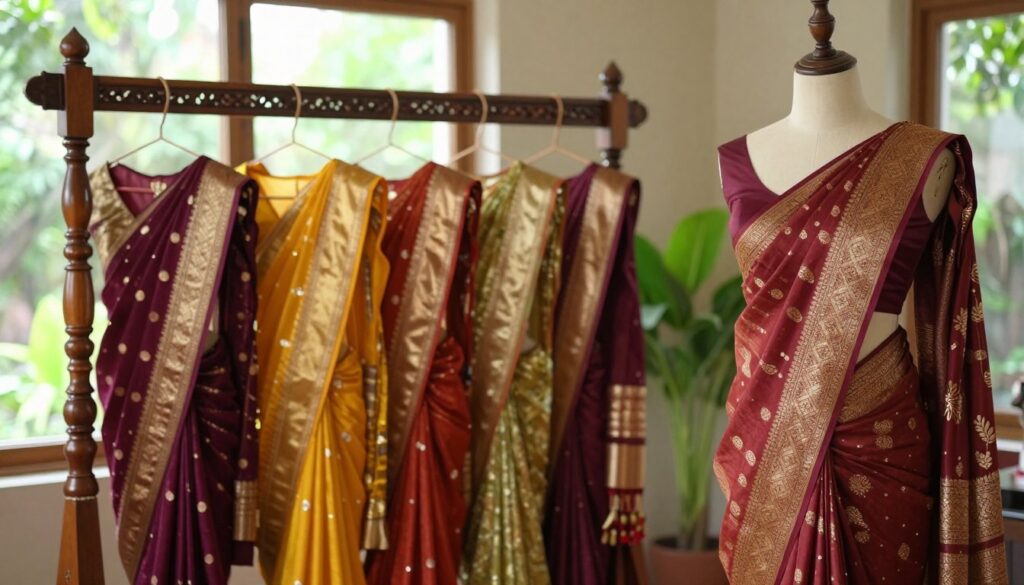
The Cultural Significance of Handwoven Textiles in India
Handwoven textiles are a big part of Indian culture. They go back centuries. These sarees are more than clothes; they connect you to your heritage and show India’s rich culture.
Choosing a handwoven saree for a special event is a tradition. It values skill and cultural identity. Wearing one makes you feel connected to a bigger story.
Why Handwoven Sarees Make the Perfect Choice for Special Occasions
Handwoven sarees are ideal for weddings and other big events. They mix elegance, tradition, and uniqueness. When picking a handwoven saree, think about the event, your role, and your style.
Looking for premium sarees online india? You’ll find many handwoven options. They’re versatile, fitting different celebrations and events.
“The beauty of handwoven sarees lies not just in their aesthetic appeal but also in the story they tell of India’s rich cultural heritage.”
Understanding Different Types of Handwoven Sarees
Handwoven sarees are more than clothes; they show India’s rich culture and skill. They have a long history and many regional styles. These sarees are a big part of Indian culture.
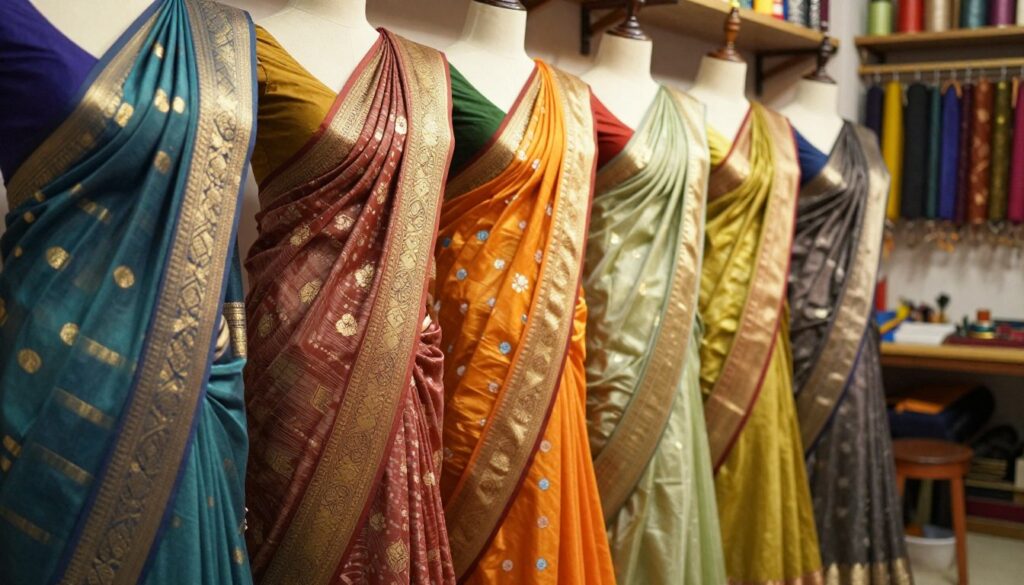
Banarasi Sarees: The Royal Choice
Banarasi sarees are known for their luxury and grand look. They are perfect for weddings and big events. These sarees have detailed designs and soft fabrics.
Silk Varieties and Their Characteristics
Banarasi sarees use top-quality silk, making them feel luxurious. The different types of silk like Katan and Georgette change the texture and look of the saree.
Identifying Authentic Banarasi Weaves
To spot a real Banarasi saree, look for the detailed weaving and zari thread. This thread adds to the saree’s beauty. The skill in making these sarees is amazing.
Kanjeevaram Silk: South Indian Elegance
Kanjeevaram sarees come from Tamil Nadu and are known for their bright colors and detailed designs. They are worn at big events and are loved for their beauty and skill.
Chanderi and Maheshwari: Lightweight Luxury
Chanderi and Maheshwari sarees are light and luxurious. Chanderi sarees are great for summer weddings because of their light texture and elegant designs. Maheshwari sarees mix old designs with new styles, making them good for many events.
For those looking for a banarasi saree for a wedding, these options are elegant and comfy.
Paithani and Patola: Intricate Artistry
Paithani sarees are famous for their bright colors and detailed designs, a big part of Maharashtrian culture. Patola sarees from Gujarat are known for their complex weaving and bright patterns. Both are lightweight luxury sarees great for festive times.
Knowing about the different handwoven sarees helps you choose the right one for your special events. You’ll look great and appreciate the cultural value of each saree.
Selecting the Perfect Handwoven Saree for Weddings Based on Your Role
Finding the right handwoven saree for a wedding can be tough. It depends on your role in the event. Whether you’re the bride, a family member, or a guest, your saree choice matters a lot. It affects how you look and feel.
For the Bride: Making a Statement
The bride’s saree is key to her wedding look. Traditional sarees like Banarasi or Kanjeevaram are great choices. They carry deep cultural meaning.
Regional Wedding Saree Traditions
India’s different regions have their own saree traditions for brides. In South India, Kanjeevaram sarees are special. In North India, Banarasi sarees are loved for their grand look.
Contemporary Bridal Handloom Options
For a fresh look, try modern handloom sarees. They mix old weaving skills with new designs and materials. As designer
“The beauty of handloom lies in its ability to evolve while retaining its traditional essence.”
For Family Members: Complementing the Wedding Theme
Family members can pick sarees that match the wedding’s theme. They should also show their own style. For a traditional wedding, a classic saree like Maheshwari or Chanderi is perfect.
| Role | Saree Type | Key Features |
|---|---|---|
| Bride | Banarasi/Kanjeevaram | Rich fabric, intricat designs |
| Family Members | Maheshwari/Chanderi | Lightweight, elegant |
| Guests | Paithani/Patola | Vibrant colors, unique patterns |
For Guests: Striking the Right Balance
As a guest, aim to look good without taking the spotlight. Choose sarees in soft colors. They should be stylish and respectful. Consider
By picking a saree that fits your role, you boost your look. You also respect the wedding’s traditions.
Choosing the Right Fabric and Weave for Different Seasons
The season of your wedding or festive celebration is key in picking the right fabric and weave for your handwoven saree. Each season has its own fabric and weave needs for comfort and elegance.
Summer and Spring Weddings: Lightweight Options
For summer and spring weddings, choose lightweight and breathable fabrics like cotton or silk. These keep you cool and comfortable in the warm weather. Look for premium sarees online india that offer lightweight luxury sarees perfect for these seasons.
Winter Celebrations: Warmer Weaves and Fabrics
In colder months, go for handwoven sarees with warmer weaves and fabrics like wool or thick silk. These keep you warm without losing style. Sarees with detailed designs add to the festive look.
Monsoon Festivities: Practical Yet Elegant Choices
For the monsoon, pick fabrics that are both elegant and practical. Water-resistant or quick-drying fabrics are good choices. Sarees with beautiful embroidery or prints enhance the festive charm.
| Season | Recommended Fabric | Key Features |
|---|---|---|
| Summer/Spring | Cotton/Silk | Lightweight, breathable |
| Winter | Wool/Thick Silk | Warm, cozy |
| Monsoon | Water-resistant/Quick-drying | Practical, elegant |
Color Selection Guide for Festive Occasions
Choosing the right handwoven saree for weddings and festivals is key. The color of your saree shows your style and fits the event. It also matches your look.
Traditional Color Combinations and Their Significance
Indian weddings and festivals often use traditional colors. Red, saffron, and green are favorites. They look great and hold cultural value. For example, red means wealth and luck, perfect for brides.
Trending Color Palettes for Modern Celebrations
Modern events also have trendy colors. Pastel shades, metallics, and ombre are popular. They bring a fresh and stylish vibe.
Choosing Colors That Complement Your Skin Tone
Choosing a color that matches your skin tone is important. Knowing if you have warm or cool skin helps a lot.
Warm Skin Tones: Your Ideal Palette
Warm skin tones look great in earthy tones. Terracotta, golden brown, and soft peach are perfect. They match your skin’s golden undertones, creating a natural look.
Cool Skin Tones: Colors That Make You Glow
Cool skin tones shine in blue or pink undertones. Lavender, powder blue, and emerald green are stunning. They contrast beautifully with your skin, making it glow.
| Skin Tone | Ideal Colors |
|---|---|
| Warm | Terracotta, Golden Brown, Soft Peach |
| Cool | Lavender, Powder Blue, Emerald Green |
Finding the Perfect Fit: Saree Selection Based on Body Type
Looking stunning in a handwoven saree starts with knowing your body shape. Choosing a saree that matches your body type is key. It makes all the difference in how you look.
Petite Frames: Creating an Illusion of Height
For petite women, the right saree can make you look taller. Go for lightweight fabrics and avoid heavy decorations. Vertical stripes or patterns help stretch your body, making you seem taller.
When picking a saree, think about its length and how it drapes. This ensures it doesn’t overwhelm your petite frame.
Curvy Figures: Enhancing Your Natural Silhouette
Curvy women can highlight their curves with the right saree. Choose rich, heavy fabrics that fall well and balance your shape. Dark colors at the bottom and lighter shades on top slim you down.
This contrast focuses attention on your upper body, creating a balanced look.
Tall Statures: Balanced Proportions
Tall women can try many styles. To keep things balanced, pick bold prints or bright colors with simple accessories. Avoid too many patterns or accessories to avoid looking over-dressed.
Apple and Pear Shapes: Strategic Draping Tips
For apple-shaped bodies, use flowing sarees and statement accessories to distract from the midsection. Pear-shaped bodies can balance hips with darker colors and highlight the upper body. Smart draping can greatly change how you look and feel in your saree.
| Body Type | Saree Style | Key Features |
|---|---|---|
| Petite | Lightweight, vertical patterns | Elongates the body |
| Curvy | Rich fabrics, dark bottoms | Creates a balanced silhouette |
| Tall | Bold prints, bright colors | Maintains balanced proportions |
| Apple/Pear | Flowing sarees, statement accessories | Draws attention away from the midsection |
Styling Your Handwoven Saree for Maximum Impact
Make your handwoven saree stand out with the right styling tips. The details matter, from the blouse to how you drape it.
Blouse Designs That Elevate Your Handwoven Saree
The blouse is key to your saree’s look. Here’s what to consider:
Neckline and Sleeve Variations
- Try different necklines like boat-neck, sweetheart, or deep V-necks for a modern touch.
- Go for sleeves that match your saree, from cap to bell sleeves, or go sleeveless for tradition.
Embellishment Ideas for Different Occasions
- For weddings, pick intricately embroidered or mirror-work blouses.
- For casual gatherings, simple yet elegant designs with minimal embellishments are best.
Accessorizing Guidelines for Different Occasions
Accessories can either enhance or detract from your saree. Here’s how to choose:
- Jewelry: Go for bold pieces at weddings or studs for less formal events.
- Footwear: Pick between traditional juttis or modern stilettos based on the event and your comfort.
- Clutch or Potli: A well-chosen bag adds the perfect finishing touch.
Draping Styles to Showcase the Saree’s Beauty
The way you drape your saree greatly affects its look. Try Nivi draping for a classic look or Maharashtrian draping for something unique.
By following these styling tips, your handwoven saree will surely impress at any festive event.
Caring for Your Handwoven Saree Investment
To keep your handwoven saree looking great, you need to take good care of it. These sarees, made from top materials, are worth the investment. They need careful care to stay beautiful and last long.
Storage Solutions to Preserve Handloom Textiles
Storing your handwoven sarees right is key to keeping them in top shape. Keep them in a cool, dry spot, away from sunlight. Use cotton bags or cloth to wrap them, not plastic bags that hold moisture.
For extra protection, wrap your sarees in acid-free tissue paper. This helps prevent yellowing and damage.
Cleaning and Maintenance Tips for Different Fabrics
When cleaning your handwoven saree, think about its fabric. Silk sarees usually need dry cleaning. Cotton and linen can be hand washed in cold water with mild soap.
Stay away from harsh chemicals and machine washing. They can harm the fabric. For tough stains, get help from a pro who knows about handloom textiles.
Extending the Life of Your Precious Handwoven Sarees
To make your handwoven sarees last, be gentle with them. Don’t wear them too much or too often. Rotate your sarees to avoid overuse.
When you wear them, handle them carefully to avoid damage. Check your sarees often for any damage. Fix any problems quickly to keep them in good shape.
By following these tips, your premium sarees online India will stay beautiful for years. They’ll be lightweight luxury sarees that are both stylish and long-lasting.
“The way to preserve the beauty of a handwoven saree is to treat it with the respect and care that a piece of art deserves.”
Conclusion: Celebrating India’s Handloom Heritage
Choosing a handwoven saree for weddings or special events is more than picking a dress. It’s about embracing a deep cultural tradition. Handwoven sarees show elegance, skill, and India’s long textile history.
When picking a saree for a wedding, think about the event, your role, and the weather. For guest roles, choose light fabrics and soft colors. They add to the joy without taking the spotlight from the bride. A handwoven saree makes you memorable at any wedding.
Wearing a handwoven saree supports Indian artisans and keeps an ancient craft alive. As you wear it, honor the hands that made it. They brought a piece of India’s heritage to you.
